
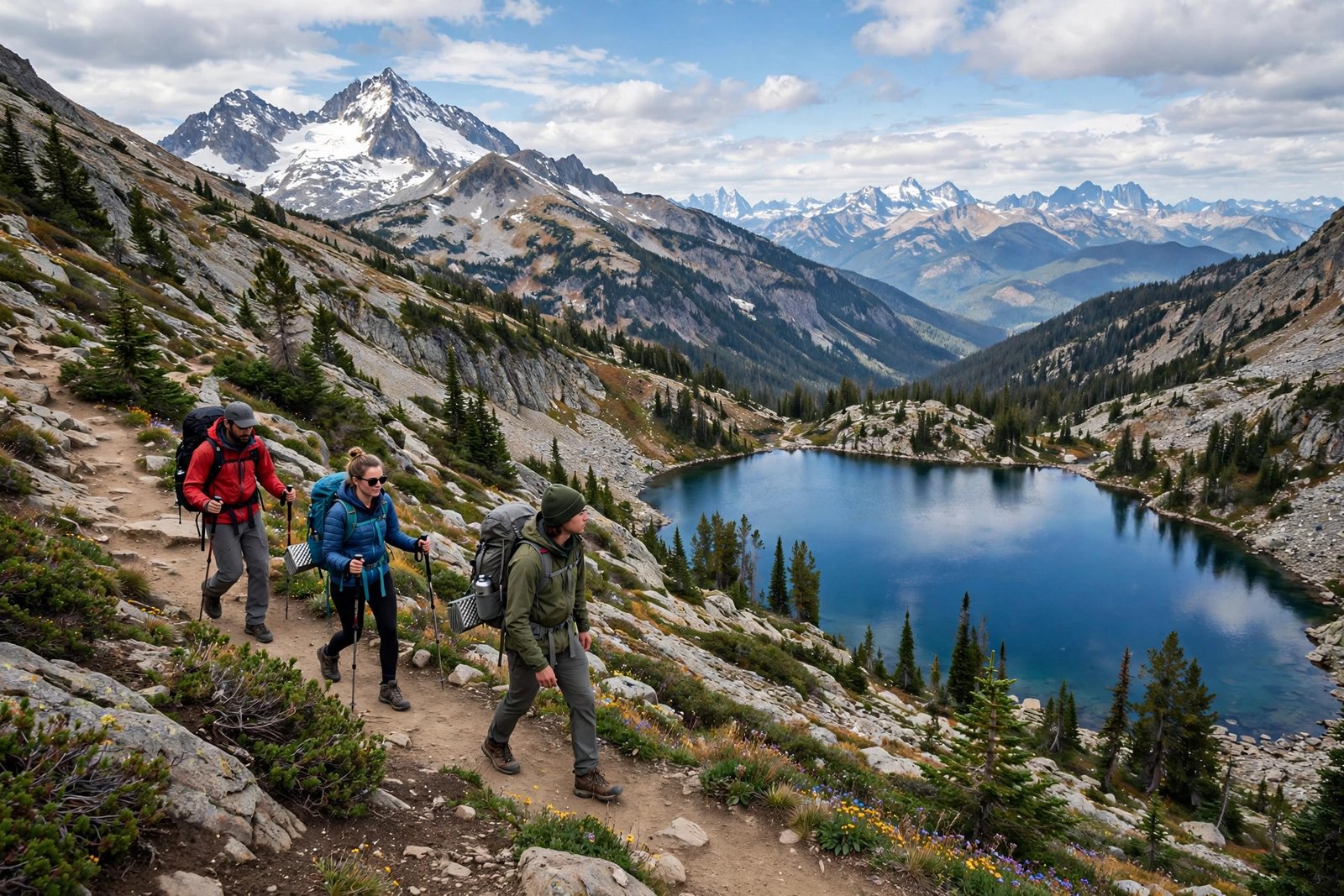
Every weekend, millions of Americans lace up their boots, fill a water bottle, and head for the trail. From a gentle walk through a city park to a months-long trek across mountain ranges, American hiking culture is one of the country’s most beloved traditions. It is a culture built on wide-open public lands, a love of the outdoors, and the simple joy of putting one foot in front of the other.
But hiking in America is more than a hobby. It is a way of life for many people, a community with its own language, customs, and heroes, and a connection to landscapes that are protected for everyone. This complete guide explores where this hiking tradition came from, how it works today, and how you can become part of it.
American Hiking Culture: Roots in the National Parks
The roots of this hiking tradition run deep into the conservation movement of the late 1800s and early 1900s. When Yellowstone became the world’s first national park in 1872, and when President Theodore Roosevelt later expanded the national park system and protected millions of acres of public land, Americans gained something rare: vast landscapes set aside for public enjoyment rather than private profit.
Early hiking clubs soon followed. The Appalachian Mountain Club, founded in 1876, is one of the oldest outdoor recreation organizations in the country, and the Sierra Club, founded in 1892, helped build a movement around exploring and protecting wild places. These clubs organized group hikes, built and maintained trails, and published guides that made hiking accessible to ordinary people, not just explorers and mountaineers.
The Civilian Conservation Corps of the 1930s also left a lasting mark. During the Great Depression, young men in the Corps built trails, shelters, bridges, and campgrounds in parks across the country. Many of the trails Americans hike today were first cut by those workers, and their stonework and shelters are still in use in parks from coast to coast.
By the middle of the twentieth century, hiking had become a mainstream American pastime. Families loaded up the station wagon for national park vacations, scout troops learned trail skills, and the idea of a weekend hike became part of everyday life. The culture kept growing from there, and today it spans everyone from casual walkers to elite long-distance hikers.
The Big Three: America’s Legendary Long Trails
At the heart of America’s hiking tradition stand three legendary long-distance trails, often called the Triple Crown of Hiking:
- The Appalachian Trail (AT): stretching more than 2,000 miles from Georgia to Maine, the AT passes through fourteen states and is the most famous long trail in the country. Completing it typically takes five to seven months.
- The Pacific Crest Trail (PCT): running about 2,650 miles from Mexico to Canada through California, Oregon, and Washington, the PCT crosses deserts, the Sierra Nevada, and the Cascade Range.
- The Continental Divide Trail (CDT): following the spine of the Rocky Mountains for roughly 3,100 miles from Mexico to Canada, the CDT is the most remote and rugged of the three.
Hikers who complete all three earn the title of Triple Crowner, a distinction held by a relatively small community of dedicated long-distance hikers. But you do not need to hike thousands of miles to take part. Each of these trails is made up of shorter sections, and day hikers enjoy popular stretches of the AT and PCT every single day.
The Appalachian Trail also gave America’s hiking tradition one of its most charming traditions: the trail name. Long-distance hikers often adopt nicknames on the trail, given by fellow hikers for a funny habit, a memorable moment, or a personality trait. Trail names are part of the culture’s warmth and humor, and they turn strangers into trail family.
American Hiking Culture Today: Day Hikes, Thru-Hikes, and Everything Between
Modern hiking in America is wonderfully diverse. At one end are day hikers, the largest group by far. They hike local trails, state parks, and national parks for a few hours, then head home for dinner. At the other end are thru-hikers, who walk an entire long trail in a single season, carrying everything they need on their backs.
In between sits a whole spectrum: section hikers who complete a long trail piece by piece over years, weekend backpackers who spend a night or two in the backcountry, peak baggers who set out to climb every major summit in a state or region, and urban hikers who explore city greenways and rail trails. There is no single right way to be a hiker, and the culture welcomes all of it.
Technology has changed the culture without replacing its core. Hikers now navigate with smartphone apps and GPS devices alongside paper maps, share trail conditions online, and document their journeys on social media. But the essentials have not changed: good boots, water, food, weather awareness, and respect for the trail.
Hiking has also become an important part of American wellness culture. Doctors and researchers widely recognize walking in nature as good for physical and mental health, and many Americans now treat a regular hike as part of their fitness routine, just like going to the gym. The trail offers something a treadmill never can: fresh air, changing scenery, and the quiet that comes from being away from screens and noise.
Trail Etiquette and the Leave No Trace Ethic
One of the strongest values in American hiking culture is taking care of the trail so others can enjoy it too. The Leave No Trace ethic, built around seven principles developed by the Leave No Trace Center for Outdoor Ethics, guides responsible hiking:
- Plan ahead and prepare: know the route, the weather, and the regulations before you go.
- Travel and camp on durable surfaces: stay on trails and established campsites to protect fragile plants and soil.
- Dispose of waste properly: pack out everything you bring in, including food scraps and trash.
- Leave what you find: enjoy rocks, plants, and historic structures without taking or moving them.
- Minimize campfire impacts: use established fire rings where fires are allowed, or use a camp stove.
- Respect wildlife: observe animals from a distance and never feed them.
- Be considerate of other visitors: yield on the trail, keep noise down, and let everyone enjoy the outdoors.
Trail etiquette also includes unwritten rules that every hiker learns: uphill hikers generally have the right of way, horses and pack animals get priority, and a friendly greeting on the trail is part of the culture. On a busy trail, a simple hello is almost universal, and on a remote trail, it can be the start of a lasting friendship.
Gear, Safety, and Planning Like an American Hiker
Hiking in America has a practical side too, summed up in the classic idea of the Ten Essentials: navigation, headlamp, sun protection, first aid, knife and repair tools, fire starter, shelter, extra food, extra water, and extra clothes. You may not need all ten on a short park walk, but experienced hikers check the list before every outing.
Here are a few planning habits that experienced American hikers swear by:
- Check the weather and the trail conditions before you leave, and tell someone where you are going and when you expect to return.
- Carry more water than you think you need, especially in hot or dry climates, and know where the next reliable water source is.
- Wear layers and sturdy footwear, and break in new boots before a long hike, not during one.
- Start early in summer to avoid afternoon heat and thunderstorms, particularly at high altitude.
- Know your limits and turn back if conditions change. The mountain will still be there tomorrow.
Safety also means wildlife awareness. In bear country, hikers store food properly and make noise on blind corners. In snake country, they watch where they step and sit. In desert country, they respect the heat and carry sun protection. Every landscape has its own rules, and learning them is part of the fun.
Why Hiking Matters in American Life
Hiking is woven into American identity in a way few other activities are. The national parks are often called America’s best idea, and hiking is how most people experience them. Schoolchildren learn about the trails of Yellowstone and Yosemite, families plan vacations around national park hikes, and retirees set out to walk the Appalachian Trail as a lifelong dream.
Hiking also connects Americans to conservation. People protect what they love, and hikers are among the strongest supporters of public lands, trail funding, and wilderness protection. Trail clubs and volunteer crews maintain thousands of miles of trail every year, and many hikers give back by joining a trail work day or donating to a trail organization.
For many, hiking is also deeply personal. It is where people clear their heads, celebrate milestones, grieve losses, and make big decisions. Long-distance hikers often say the trail changed their lives, and even casual hikers describe a favorite trail as a place that feels like home. That emotional bond is the real heart of it.
If you enjoy the outdoors, you will love exploring related American traditions too, such as American camping culture, another beloved way Americans spend time in nature. Pair a hike with a campout, and you have the classic American weekend.
For more trail inspiration, check out our guide to the most beautiful places in Alaska and the hidden gems of Kansas, both packed with landscapes worth adding to your hiking list.
Conclusion: Your Trail Is Waiting
American hiking culture is not about being the fastest, the strongest, or the most extreme. It is about stepping outside, walking a trail, and feeling connected to the land and to the people who walked it before you. Whether your first hike is a mile-long nature loop or the first section of the Appalachian Trail, you are joining a tradition that stretches back generations and spans the entire country.
So pick a trail near you, pack the essentials, invite a friend, and go. The trailhead is closer than you think, and the culture of American hiking is ready to welcome you.
Ready to start? Share this guide with a friend you want to hike with, and tell us in the comments: what is your favorite trail in America?