
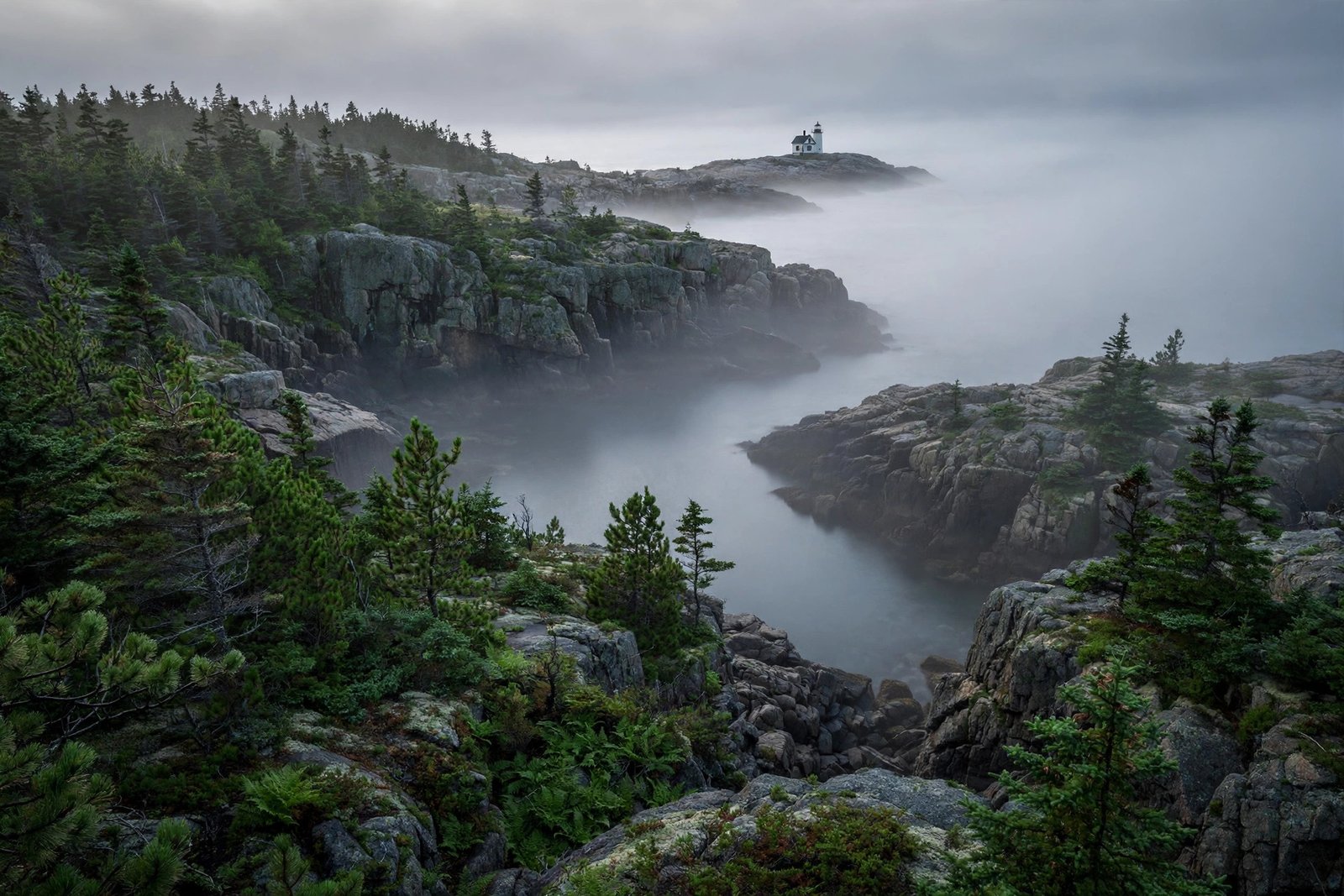
Maine is famous for lobster, lighthouses, and Acadia National Park, but some of its best places are the ones you will not find on a first-time visitor’s checklist. The hidden gems Maine travelers love most are often quiet peninsulas, working fishing villages, island trails, and inland lakes where the pace slows down and the scenery does the talking. If you are willing to drive a little farther, catch a ferry, or walk a coastal path, Maine rewards you with empty beaches, spruce forests, granite shores, and harbors that still feel like real communities.
This guide gathers twelve secret spots across the state, from the bold eastern coast to the western lakes. None of them require expert skills or special gear, though a few reward sturdy shoes and a sense of adventure. Use this list as a starting point, check local conditions before you go, and leave plenty of time for unplanned stops. In Maine, the detour is often the destination.
Why the Hidden Gems Maine Travelers Love Are Worth the Detour
Maine is a large state with a long, winding coastline and vast inland forests, which means there is room to escape the crowds. While popular towns and park entrances can be busy in summer, a short drive in almost any direction leads to quieter coves, trailheads, and villages where parking is easy and the shoreline feels private. That sense of space is part of the appeal. You can watch fishing boats come in, walk a beach without dodging crowds, and hear loons on a lake at dawn.
These places also show a different side of Maine life. Working harbors, family farms, small museums, general stores, and community suppers sit alongside natural beauty. When you visit a lesser-known town, your meal, your lodging, and your shopping directly support the people who live there year-round. That connection makes the trip feel more meaningful than simply checking off a famous viewpoint. Travelers who enjoy discovering quiet places in other states may also like hidden gems and secret spots in the American heartland.
1. Cutler Coast: Wild Cliffs on the Bold Coast
The Cutler Coast, on Maine’s far eastern shore, offers some of the most dramatic coastal walking in the state. Trails wind through spruce forest, across headlands, and down to cobble beaches where waves meet steep cliffs. The landscape feels remote and windswept, with wide ocean views and very few other walkers, especially on weekdays. This is a place to take your time, wear sturdy shoes, bring water, and watch the weather, since coastal fog and wind can arrive quickly.
Because the trails here are longer and more rugged than a typical boardwalk stroll, choose a route that matches your fitness and turn back if conditions change. The reward is a coastline that feels untouched: seabirds, crashing waves, and forest meeting sea in a way that is rare on the busy East Coast. Pack layers and a windproof jacket even in summer.
2. Monhegan Island: An Artist’s Island, Twelve Miles Out
Monhegan Island sits about twelve miles off the Maine coast and is reached by ferry from ports such as Port Clyde. There are almost no cars on the island, and life moves at walking pace. Trails cross the island’s interior and follow high cliffs on its seaward side, offering views over the open Atlantic. Artists have long been drawn here by the light, the rugged shore, and the quiet village of small houses, galleries, and inns.
A day trip is possible when ferry times allow, but an overnight stay lets you enjoy the island after the last ferry leaves, when the village grows especially peaceful. Bring cash or check ahead about card acceptance, wear good walking shoes, and respect private gardens and working waterfront areas. Monhegan is a reminder that some of Maine’s best experiences require slowing down to island time.
3. Isle au Haut: Acadia’s Quiet Island Corner
Isle au Haut is part of Acadia National Park, yet it feels worlds away from the park’s busier mainland roads. A mail boat and ferry service connect the island to the mainland, and once you arrive, trails lead through forest to rocky shores and quiet coves. Part of the island is park land, while the rest is a small year-round community, so visitors should stay on marked trails and respect private property.
This is a wonderful choice for hikers who want Acadia’s beauty without the crowds. Trails range from gentle shoreline walks to more challenging headland routes. Because ferry space can be limited and schedules vary by season, plan ahead, arrive early, and carry food and water. The island’s stillness, broken only by waves and birdsong, is exactly why it belongs on any list of secret Maine places.
4. Schoodic Peninsula: Acadia Without the Traffic
The Schoodic Peninsula is the mainland section of Acadia National Park that many visitors miss, and that is their loss. Located across the bay from Mount Desert Island, Schoodic offers a scenic loop road, rocky coastline, spruce forest, and views back toward the park’s mountains. The pace here is noticeably calmer, with easier parking, quiet picnic spots, and shoreline walks where you can watch the tide and search for seabirds.
Schoodic is also a good base for exploring nearby fishing villages such as Winter Harbor and Corea, where working harbors and small restaurants give you a taste of Downeast Maine life. Combine a morning drive around the peninsula with lunch in a nearby village, and you will understand why locals often recommend this side of Acadia to friends who want beauty without the bustle.
5. Lubec and West Quoddy Head: America’s Eastern Edge
Lubec is the easternmost town in the United States, a small fishing community near the Canadian border where the tide, the wind, and the working waterfront shape daily life. Nearby West Quoddy Head State Park is home to a striped lighthouse that is one of the most photographed in Maine, yet the town itself remains quiet and unhurried. Trails in the park lead along cliffs and through forest to coastal viewpoints.
Many hidden gems Maine visitors discover share this combination of a famous landmark and a quiet town around it. In Lubec, you can walk to the lighthouse, explore the shore at low tide, browse small shops, and eat fresh seafood without the crowds found in better-known coastal towns. Check tide times before exploring rocky shores, and bring layers for the ocean breeze.
6. Eastport: A Working Waterfront and Island Charm
Eastport, on Moose Island, is another Downeast treasure. As one of the easternmost cities in the country, it has a deep-water harbor, a working waterfront, and a downtown of historic brick buildings with shops, galleries, and restaurants. The town hosts community events through the year, and its location makes it a good base for exploring nearby bays, islands, and coastal trails.
What stands out in Eastport is its character. Fishing boats, tide changes, and local life are not staged for tourists; they are simply how the town works. Walk the waterfront, watch the dramatic tides of Passamaquoddy Bay, and take time to chat with shop owners. If you enjoy harbor towns that still feel authentic, Eastport deserves a full day, not just a quick photo stop.
7. Moosehead Lake and Greenville: Maine’s Great Inland Lake
Turn inland and Maine changes completely. Moosehead Lake, the state’s largest lake, stretches across the north woods, with Greenville as its main gateway town. Here, the attractions are water, forest, and sky: boat trips, paddling, fishing, hiking, and wildlife watching, all set against a backdrop of mountains including nearby peaks in the region. In autumn, the forests around the lake turn brilliant, and in summer, the lake offers swimming, boating, and quiet coves.
Greenville itself is small and friendly, with inns, restaurants, and outfitters that help visitors explore the lake and surrounding woods. A boat cruise is a relaxing way to grasp the lake’s scale, while a short hike to a viewpoint gives you a panorama over water and forest. For travelers who want a wilderness feel without a multi-day expedition, Moosehead Lake is an ideal introduction to Maine’s north woods. Night-sky lovers may also enjoy the best stargazing spots in the USA for planning an evening under dark skies.
8. Rangeley Lakes: Western Mountains and Quiet Water
In western Maine, the Rangeley Lakes region combines mountain scenery with a chain of lakes that are popular for boating, fishing, paddling, and lakeside walks. The town of Rangeley is small and welcoming, with shops, restaurants, and lodging that serve outdoor travelers year-round. In autumn, the hills around the lakes light up with color, and in winter, the area draws skiers and snowmobilers.
Rangeley works well as a slower alternative to busier mountain destinations. You can spend a day on the water, drive a scenic mountain road, hike to a viewpoint, and end the evening with a lakeside sunset. The region also offers a good chance to see moose, especially at dawn and dusk along quiet roads and near wetlands, though sightings are never guaranteed. Drive carefully at those times and keep a respectful distance from wildlife.
9. Pemaquid Point and the Midcoast Villages
Pemaquid Point, on the midcoast, is known for its lighthouse standing on dramatic, tilted rock formations above the sea. The rocks themselves are a geological wonder, smoothed and layered by time and tide, and the surrounding park offers paths, picnic areas, and views across the harbor. While the lighthouse draws visitors, the nearby villages of New Harbor, Round Pond, and Bristol remain peaceful, with working harbors, lobster shacks, and art galleries.
A midcoast day trip can easily combine Pemaquid Point with Damariscotta, a river town known for its oyster farms, shops, and restaurants. This stretch of coast shows Maine at its most classic: white lighthouses, granite shores, fishing boats, and small towns where life moves with the tide. It is also easy to pair with a visit to Boothbay Harbor, a larger but still charming harbor town nearby.
10. Reid State Park: Wide Sand and Rocky Shore Together
Reid State Park, near Georgetown, is unusual because it offers both sandy beaches and rocky coastline in one park. One beach is wide and sandy, good for walking, picnicking, and wading, while nearby headlands offer tide pools, seabirds, and ocean views. Salt marshes and forest trails add variety, making the park a good choice for families who want different landscapes without driving to several locations.
Because Reid is a state park, it has parking, restrooms, and picnic facilities that make a day trip easy. Arrive early on summer weekends, bring water and sun protection, and check tide times if you want to explore tide pools. The park’s mix of sand, rock, and marsh captures Maine’s coastal diversity in a single, accessible place.
11. Baxter State Park’s Quiet Corners: Wilderness on a Human Scale
Baxter State Park, home to Mount Katahdin, is famous among serious hikers, but the park also offers quieter experiences for visitors who are not climbing the state’s highest peak. Campgrounds, ponds, forest roads, and shorter trails give you a taste of Maine’s wilderness, with chances to see moose, hear loons, and enjoy dark night skies. The park has its own rules and a strong leave-no-trace ethic, so read them before you go and plan around limited services.
Even a short visit to Baxter’s edges can feel like stepping into a wilder Maine. The forests are vast, the ponds are still, and the sense of remoteness is real. This is not a drive-through attraction; it rewards preparation, patience, and respect for the land. If you are new to the park, start with an easy trail or a pond-side walk, and save the big climbs for a return trip with proper planning.
12. The Bold Coast and Cobscook Bay: Tides, Trails, and Stillness
Rounding out the list is the wider Bold Coast and Cobscook Bay area, where some of the largest tides in the United States shape the shoreline twice a day. At low tide, mudflats, rocky shores, and tidal pools appear; at high tide, the same places fill with water. State parks and preserves in this region offer trails through forest and along the shore, with interpretive signs explaining the tides, wildlife, and history of the area.
The hidden gems Maine keeps in this eastern corner are best enjoyed slowly. Walk a trail, watch the tide change, visit a nearby village for lunch, and return to the shore in the evening when the light softens. It is a landscape that rewards attention: eagles overhead, seals in the bay, and the quiet rhythm of a coast that has changed little over generations. For broader scenic inspiration, see the most beautiful places in Alaska for another wild American landscape.
How to Plan a Trip to Hidden Gems Maine
Planning a secret-spots trip takes a little more care than visiting a single famous park, but the effort pays off. Start by choosing a region: Downeast for bold coast and fishing villages, Midcoast for lighthouses and harbors, or inland for lakes and mountains. Trying to cover all three in one short trip means too much driving and too little lingering. Pick one region, choose a base town, and build day trips around it.
- Check ferry schedules, park hours, and tide times before you leave, especially for islands.
- Book lodging early in summer and autumn, even in small towns with limited rooms.
- Carry a paper map or downloaded directions, since cell service can be spotty.
- Pack layers, rain gear, sturdy shoes, water, snacks, and sun protection.
- Respect private land, stay on marked trails, and leave beaches and trails cleaner than you found them.
It also helps to travel with flexibility. Fog can hide a coastal view in the morning and clear by afternoon. A ferry can be delayed by weather. A small restaurant may close early on a quiet weekday. Rather than seeing these as problems, treat them as part of Maine’s character. The best stories from a Maine trip often come from the unplanned stop: a farm stand, a harbor walk, a conversation with a lobsterman, or a sunset you almost missed.
Conclusion: Maine Rewards the Curious Traveler
Maine’s secret spots are not secret because they are hidden on a map. They are secret because they take a little extra effort to reach, and because the travelers who find them tend to keep them quietly to themselves. Whether you walk the cliffs of the Cutler Coast, ride a ferry to Monhegan, watch the tide in Cobscook Bay, or paddle on Moosehead Lake, you will see a Maine that feels personal, peaceful, and real.
So pick a region, pack your layers, and set out with curiosity. Visit one or two of these places on your next trip, or string several together into a slow coastal and lakes journey. Then tell a friend about your favorite, or keep it as your own quiet discovery. Either way, the hidden gems Maine offers will give you reasons to return, season after season, to a state that never runs out of shoreline, forest, and small-town welcome.