
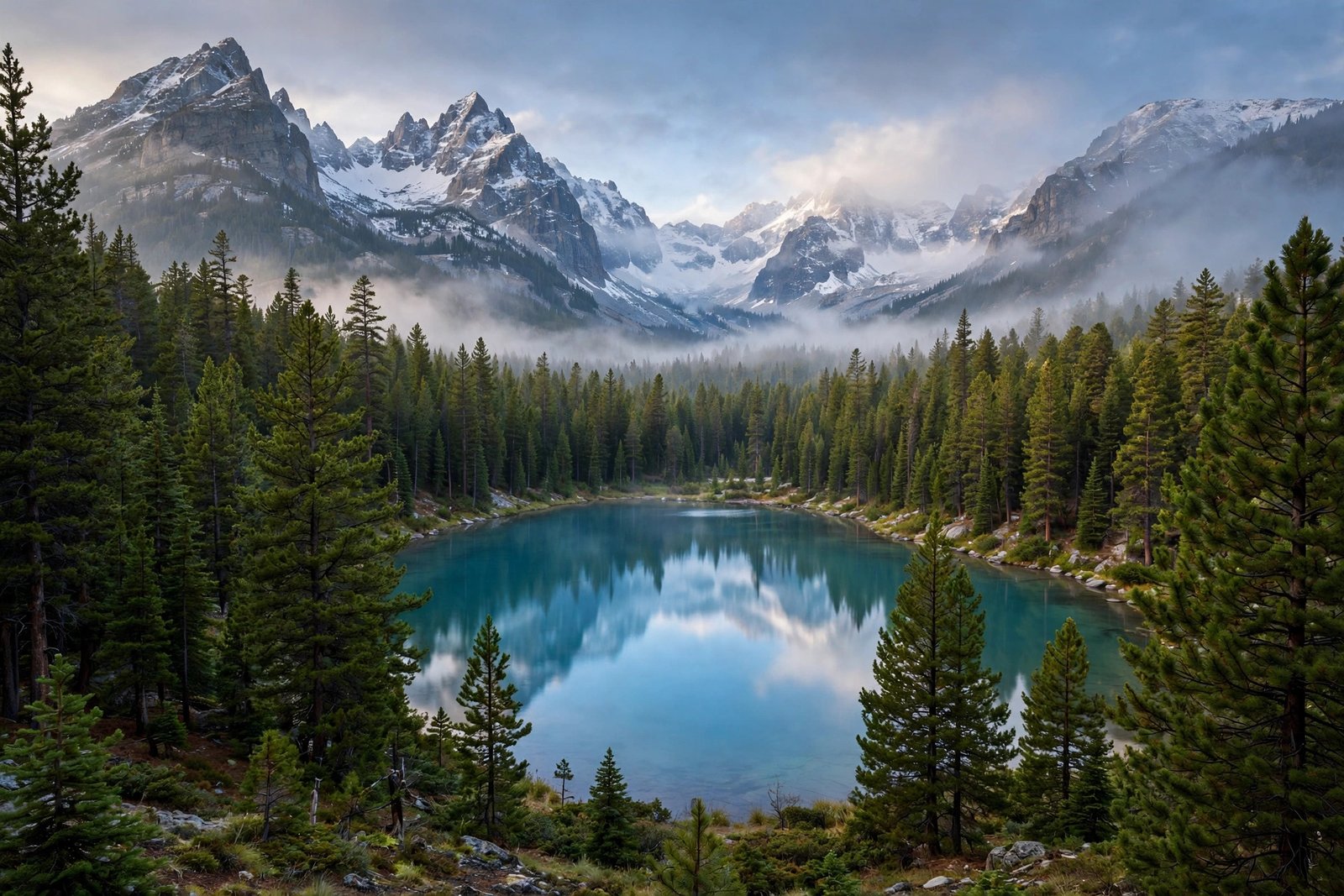
Colorado is famous for places like Rocky Mountain National Park, Aspen, and Pikes Peak, but some of the state’s most memorable sights are the ones you will not find on a typical postcard. These hidden gems in Colorado include painted badlands, a hand-built castle in the mountains, a ghost town frozen in time, and waterfalls tucked into quiet canyons. If you love discovering places that feel like secrets, this list is for you.
What follows are twelve spots that reward curious travelers. Some require a short drive down a dirt road, others a modest hike, and a few are simply overlooked because a bigger attraction nearby steals the attention. All of them are real, visitable places, and each one shows a different side of Colorado, from its ancient geology to its mining history and its wild, high-altitude beauty.
Why These Hidden Gems in Colorado Are Worth the Detour
Colorado’s headline attractions are wonderful, but they are also crowded, especially in summer. The hidden corners of the state offer something different: space to breathe, time to linger, and the feeling that you have found something special. A painted hillside with no one else around, a waterfall you reach after a quiet walk through the woods, or a tiny mountain town where the main street has barely changed in a century, these are the moments that make a trip unforgettable.
Hidden gems also tend to be gentler on the budget. Many are in state parks, national forest land, or small towns, with modest entry fees or none at all. And because they are spread across the state, from the eastern plains to the high San Juan Mountains, you can build them into almost any Colorado road trip. For more under-the-radar ideas in other states, see our guides to hidden gems in Florida and hidden gems in Texas.
1. Paint Mines Interpretive Park, Calhan
On the eastern plains near Calhan, about 35 miles east of Colorado Springs, the Paint Mines Interpretive Park looks like something from another planet. Erosion has carved the clay and sandstone into colorful bands of pink, orange, yellow, and white, forming spires, hoodoos, and winding gullies. The formations get their colors from oxidized iron and other minerals in the rock, and the effect changes with the light throughout the day.
Trails of a few miles wind through the formations, and the park is free to visit. Stay on the marked paths, as the fragile clay formations are easily damaged, and climbing on them is not allowed. Bring water and sun protection, since there is almost no shade on the open plains. Early morning or late afternoon light makes the colors glow, and photographers will want to plan around those hours.
2. Bishop Castle, Rye
In the Wet Mountains near Rye, Bishop Castle is one of the most extraordinary hand-built structures in America. Jim Bishop began building it in 1969, working largely alone, and over the decades it grew into a towering stone castle with a grand ballroom, spiral staircases, a fire-breathing dragon, and stained-glass windows. Bishop, who died in 2025, famously kept the castle open to the public free of charge, and it remains a beloved roadside wonder.
Visitors can climb the towers and walk the metal walkways, but be aware that the structure is rustic, with steep stairs, open railings, and uneven surfaces. It is not a polished theme-park attraction, and that is exactly its charm. Wear sturdy shoes, supervise children closely, and take your time. Donations help maintain the castle, and the mountain drive to reach it is beautiful in its own right.
3. Crystal Mill, Marble
The Crystal Mill, also known as the Old Mill, sits above the Crystal River near the tiny town of Marble, in the Elk Mountains. Built in 1892 as a powerhouse for a silver mine, the wooden structure perched on a rocky outcrop above the river has become one of the most photographed spots in Colorado, even though reaching it is part of the adventure. The road from Marble is rough, steep, and narrow, and is best suited to high-clearance four-wheel-drive vehicles.
Many visitors hike the road instead, a walk of several miles each way with beautiful river views along the route. The mill itself is privately owned and cannot be entered, but the view from the riverbank is the classic photograph. Autumn is a wonderful time to visit, when the aspen trees turn gold, but check local conditions first, as the road can be muddy or closed in bad weather.
4. St. Elmo, Chaffee County
St. Elmo is one of Colorado’s best-preserved ghost towns, nestled in the Sawatch Range near Nathrop. Founded in 1880 during a mining boom, the town once had a post office, school, hotels, and saloons, and at its peak it was home to around 2,000 people. Today, several dozen original wooden buildings still stand along the main street, including a general store that operates in summer, selling snacks and souvenirs.
St. Elmo is easy to reach by car on a graded dirt road, and it makes a great family outing. Chipmunks in the area are famously friendly, and the nearby road to Tin Cup Pass offers further adventure for four-wheel-drive vehicles. Combine a visit with a stop at Mount Princeton Hot Springs or a drive along the Collegiate Peaks for a full day in the Arkansas River Valley.
5. Great Sand Dunes National Park, Alamosa
The tallest sand dunes in North America rise unexpectedly from the floor of the San Luis Valley, against the backdrop of the Sangre de Cristo Mountains. Great Sand Dunes National Park protects dunes that reach about 750 feet high, and the sight of golden sand against snow-capped peaks is genuinely startling. The park is less visited than Colorado’s other national parks, which makes it a perfect hidden gem.
Visitors can hike the dunes, sandboard or sand-sled down them with specially designed boards rented nearby, and wade in Medano Creek, a seasonal stream that flows at the base of the dunes in spring and early summer. The park is also an International Dark Sky Park, and stargazing here is superb. Stay hydrated and wear shoes, as the sand gets very hot in summer.
6. Black Canyon of the Gunnison, Montrose
The Black Canyon of the Gunnison is one of the steepest and most dramatic gorges in North America. In places the canyon is only about 1,100 feet wide at the rim but drops nearly 2,000 feet to the Gunnison River, and some sections receive very little direct sunlight, which is how it earned its name. The dark, ancient walls create a moody, powerful landscape that feels very different from Colorado’s bright alpine scenery.
The South Rim Drive offers overlooks such as Gunnison Point and Chasm View, and the park is far quieter than the state’s better-known national parks. Hiking into the inner canyon is strenuous and requires a free wilderness permit, so most visitors enjoy the rim viewpoints and short trails. Visit in spring or fall for mild weather and thinner crowds.
7. Zapata Falls, San Luis Valley
Zapata Falls is a short, rewarding hike near Great Sand Dunes National Park. A trail of about half a mile leads from the trailhead to a rocky crevice, where a short wade through cold, shallow water brings you to a waterfall hidden inside a narrow rock cleft. The falls drop about 30 feet, and the cool, shaded gorge is a welcome contrast to the hot sand dunes nearby.
Wear shoes you can get wet, and be careful on the slippery rocks. The trailhead is reached by a rough dirt road, so a high-clearance vehicle is helpful, though many passenger cars make it in dry conditions. Pair Zapata Falls with a visit to the dunes for an easy and memorable day in the San Luis Valley.
8. Hanging Lake, Glenwood Springs
Hanging Lake, near Glenwood Springs, is a small, vividly turquoise lake fed by waterfalls that pour over travertine cliffs, with ferns and moss clinging to the rock behind the falls. The lake’s striking color comes from dissolved minerals, and the setting, tucked into a narrow canyon off Glenwood Canyon, feels like a hidden garden. It is one of the most photographed natural spots in the state.
The hike to the lake is short but steep, climbing about 1,000 feet in just over a mile, with rocky, uneven footing. A reservation or permit is required to visit, managed through the official Hanging Lake reservation system, so book ahead, especially in summer. Stay on the boardwalk at the lake, do not swim in it, and keep dogs at home, as they are not allowed on the trail. The effort is well worth it.
9. Rifle Falls State Park, Rifle
Rifle Falls State Park is a small, lovely park in western Colorado where three waterfalls tumble over travertine cliffs into a lush, green canyon. Short, easy trails loop past the falls, through small caves, and along Rifle Creek, and the whole park can be explored in an hour or two. The waterfalls flow year-round, and the park is at its greenest in late spring and early summer.
The park also has a campground, picnic areas, and fishing in Rifle Creek, making it a relaxing stop on a drive along Interstate 70. Because it is small and tucked away, Rifle Falls rarely feels crowded, even on summer weekends. Bring a camera, as the falls and the mossy cliffs photograph beautifully in soft light.
10. Penitente Canyon, San Luis Valley
Penitente Canyon, managed by the Bureau of Land Management in the San Luis Valley, is a narrow canyon of volcanic rock that is popular with rock climbers and far less known to general travelers. The canyon walls hold hundreds of climbing routes, and the quiet, high-desert setting, with views across the valley to the Sangre de Cristo Mountains, makes it a peaceful place even for non-climbers.
A short trail runs along the canyon floor, and the area is free to visit. The nearby town of La Garita and the surrounding valley add to the remote, old-Colorado feel. If you climb, follow local ethics and check route conditions; if you only walk, bring water and enjoy the silence, which is rare in a state full of busy trails.
11. Dinosaur Ridge, Morrison
Just west of Denver, near the town of Morrison, Dinosaur Ridge is one of the most important dinosaur fossil sites in the world. In 1877, the first bones of giant dinosaurs such as Stegosaurus and Apatosaurus were discovered here, helping to launch the great dinosaur discoveries of the American West. Today, visitors can walk a trail along the ridge and see real dinosaur tracks and fossilized bones still embedded in the rock.
Guided bus tours run from the visitor center, and the walk itself is about a mile and a half with interpretive signs. The site is also a National Natural Landmark. Pair a visit with lunch in Morrison or a show at nearby Red Rocks Amphitheatre for a classic Front Range day out, and remember not to touch or remove any fossils.
12. Browns Canyon, Buena Vista
Browns Canyon National Monument, along the Arkansas River between Buena Vista and Salida, protects a rugged stretch of river canyon known for whitewater rafting, fishing, and hiking. The Arkansas River here runs through granite cliffs and pine forest, and rafting trips range from gentle family floats to exciting Class III rapids, depending on the section and the season.
For non-rafters, trails such as the Turret Trail and the river access points offer quiet walks with river views, and the area is excellent for watching wildlife, including bighorn sheep and river otters. The monument was designated in 2015, and it remains far less crowded than Colorado’s national parks. Summer is the busiest season for rafting, while fall brings golden cottonwoods and cooler air.
Planning a Trip to the Hidden Gems in Colorado
Exploring Colorado’s secret spots takes a little more planning than visiting the famous sights, but the payoff is worth it. Here are some tips:
- Check road conditions: Several of these spots are reached by dirt or rough roads. Check with local visitor centers or land managers before you go, especially after rain or snow.
- Book ahead where needed: Hanging Lake requires a reservation, and popular times at other spots, such as fall weekends, can still be busy.
- Pack for altitude and weather: Many of these places sit above 7,000 feet. Drink extra water, wear sunscreen, and carry a layer, as mountain weather can change fast.
- Respect fragile places: Stay on trails at the Paint Mines, do not swim in Hanging Lake, and never take fossils or artifacts from any site.
- Mix famous and hidden: Pair a hidden gem with a well-known stop nearby, such as Great Sand Dunes with Zapata Falls, or St. Elmo with the Collegiate Peaks, to get the best of both worlds.
For even more under-the-radar American destinations beyond Colorado, our guide to hidden gems in the Pacific Northwest is a great next read.
Final Thoughts
The hidden gems in Colorado prove that the state’s magic is not limited to its most famous places. A painted desert on the plains, a castle built by one determined man, a ghost town where chipmunks greet visitors, and a turquoise lake hidden in a canyon, these are the experiences that turn a good trip into a story you will tell for years.
Start with one or two spots from this list, check the current conditions, and set a date. Colorado’s secret places are waiting, and the best time to discover them is now. Which of these twelve will you visit first? Let us know in the comments, and keep exploring more American wonders here on ENG Post.